
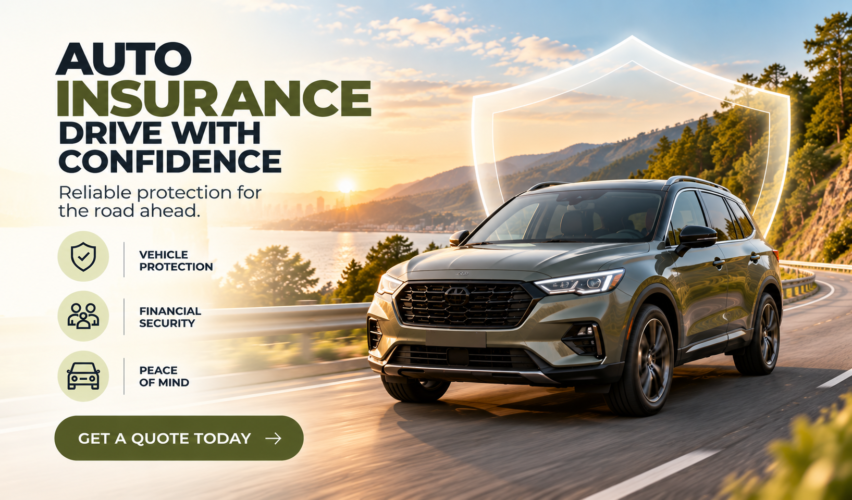
Owning a vehicle provides freedom and convenience, but it also comes with financial responsibilities and unexpected risks. Accidents, theft, weather-related damage, and other incidents can happen when you least expect them. The right auto insurance can help protect you from some of the financial consequences of these situations.
Auto insurance is more than simply meeting a legal requirement. It can provide valuable protection for your vehicle, your finances, and other people who may be affected by an accident. Understanding your coverage options can help you choose a policy that fits your vehicle, driving habits, and individual needs.
What Is Auto Insurance?
Auto insurance is a contract between a vehicle owner and an insurance provider that offers financial protection against certain covered losses and liabilities.
Depending on the policy and location, coverage may help with damage to your vehicle, injuries or property damage caused to others, theft, and certain other risks.
The exact coverage available varies by insurer, policy, location, vehicle, and applicable laws. For this reason, it is important to understand the specific terms and limits of any policy before purchasing it.
Why Is Auto Insurance Important?
Driving involves risks that cannot always be predicted. Even careful drivers can be involved in accidents caused by other motorists or unexpected road conditions.
Auto insurance can help provide protection against certain financial losses associated with covered events.
Depending on the policy, it may help with:
- Damage to your vehicle
- Damage you cause to another vehicle
- Property damage caused by an accident
- Certain injury-related claims
- Theft
- Fire
- Certain weather-related damage
- Vandalism
- Other covered incidents
Having suitable coverage can provide greater financial confidence whenever you are on the road.
Understanding the Main Types of Auto Insurance Coverage
Auto insurance policies can include several different types of coverage. Understanding what each one does can make it easier to determine what protection may be appropriate for you.
Liability Coverage
Liability coverage is designed to help protect you when you are legally responsible for certain injuries or property damage caused to another person.
For example, if you cause an accident that damages another vehicle, applicable liability coverage may help with covered costs up to the policy limits.
The required minimum level of liability insurance varies by jurisdiction, but choosing only the minimum may not always provide sufficient financial protection.
Collision Coverage
Collision coverage may help pay for damage to your own vehicle resulting from a covered collision, subject to the policy’s terms and deductible.
This can be particularly useful when repairing or replacing your vehicle would create a significant financial burden.
Comprehensive Coverage
Comprehensive coverage generally protects against certain types of damage that are not caused by a collision.
Depending on the policy, covered events may include theft, fire, vandalism, falling objects, or certain weather-related incidents.
Like other types of coverage, specific exclusions and conditions apply.
Uninsured or Underinsured Motorist Coverage
In some areas, drivers may be involved in accidents with motorists who have little or no insurance.
Uninsured or underinsured motorist coverage may provide protection in certain circumstances, depending on local regulations and the policy.
This type of coverage can be particularly valuable because it addresses risks created by other drivers who may not have adequate insurance.
How to Choose the Right Auto Insurance
The right policy depends on more than the price of the premium.
Consider factors such as:
- Your vehicle’s value
- How frequently you drive
- Where you typically drive
- Your driving history
- Your financial situation
- The coverage required in your area
- Your preferred deductible
- Potential risks associated with your location
A policy that works well for one driver may not provide the right level of protection for another.
Factors That Can Affect Auto Insurance Costs
Insurance premiums are influenced by a variety of factors. Insurers may consider information related to the driver, vehicle, location, and selected coverage.
Common factors can include:
- Driving record
- Age and driving experience
- Vehicle type
- Vehicle usage
- Location
- Annual mileage
- Claims history
- Coverage limits
- Deductible
- Optional coverage
Because insurers assess risk differently, prices can vary between providers even for similar drivers and vehicles.
Ways to Potentially Reduce Your Premium
While insurance costs depend on many factors, there are several steps that may help you manage your premium.
Compare Multiple Policies
Comparing quotes from different insurers can help you understand the range of prices and coverage options available.
However, do not compare premiums alone. Review coverage limits, deductibles, exclusions, and policy features as well.
Maintain a Good Driving Record
Safe driving can reduce the likelihood of accidents and may also help you qualify for better insurance rates depending on the insurer and your circumstances.
Choose Your Deductible Carefully
The deductible is the amount you may need to pay toward a covered claim before the insurer contributes according to the policy.
A higher deductible can sometimes result in a lower premium, but you should choose an amount you could comfortably afford if you needed to make a claim.
Review Your Policy Regularly
Your circumstances may change over time. You may drive fewer miles, purchase a different vehicle, move to another location, or change how you use your car.
Reviewing your policy periodically can help ensure that your coverage continues to match your needs.
Protecting Your Vehicle from Theft and Damage
Good vehicle security can reduce certain risks and help protect your investment.
Practical measures may include:
- Parking in secure areas
- Using appropriate anti-theft devices
- Keeping doors locked
- Avoiding leaving valuables visible inside the vehicle
- Maintaining the vehicle properly
- Following manufacturer safety recommendations
Some insurers may consider certain security features when assessing risk, although any potential discount depends on the insurer and policy.
Auto Insurance for New Vehicles
Buying a new vehicle is a significant investment, so appropriate insurance protection is especially important.
When insuring a new car, consider the vehicle’s replacement or repair costs, financing requirements, coverage limits, deductible, and any optional protection that may be relevant.
If the vehicle is financed or leased, the lender may also have specific insurance requirements.
Auto Insurance for Older Vehicles
Older vehicles require a different approach to insurance decisions.
Depending on the vehicle’s value and your financial circumstances, it may be worth reviewing whether certain optional coverages remain cost-effective.
However, removing coverage simply to reduce the premium can leave you exposed to significant financial risk. Consider the potential cost of repairing or replacing the vehicle before making changes.
What to Do After an Accident
If you are involved in an accident, safety should come first.
When it is safe to do so:
- Move to a safe location if possible.
- Check whether anyone requires emergency assistance.
- Contact the appropriate emergency services when necessary.
- Exchange relevant information with the other driver.
- Document the scene with photographs where appropriate.
- Contact your insurance provider as soon as reasonably possible.
- Follow the insurer’s claims instructions.
Avoid admitting fault or making assumptions about liability at the scene. Allow the appropriate authorities and insurers to assess the circumstances.
Understanding Your Deductible
Your deductible is an important part of an auto insurance policy.
If you have a covered claim subject to a deductible, you may be responsible for paying the specified amount before the insurer pays the remaining eligible costs according to the policy.
When choosing a deductible, consider your available savings and how much you could comfortably pay after an accident.
Read the Policy Before You Need It
Many drivers do not fully review their insurance policy until something goes wrong. This can lead to unpleasant surprises.
Before purchasing or renewing coverage, pay attention to:
- Coverage limits
- Deductibles
- Exclusions
- Claim procedures
- Optional coverage
- Policy conditions
- Restrictions
- Renewal terms
If you do not understand a section of the policy, ask your insurance provider or a qualified professional for clarification.
Knowing what your policy covers before an accident can make the claims process easier and help you make better financial decisions.
Why Regular Policy Reviews Matter
Your insurance needs can change over time.
A yearly review can help you determine whether your policy still reflects your current:
- Vehicle
- Driving habits
- Mileage
- Location
- Coverage needs
- Financial situation
Major life changes may also be a good reason to review your policy.
Keeping your information accurate can help ensure that your policy remains appropriate for your circumstances.
Work with a Trusted Insurance Provider
Choosing an insurance provider is an important decision. Look for a company with clear policy information, reliable customer service, transparent pricing, and a straightforward claims process.
When comparing providers, consider the overall value of the policy rather than focusing only on the lowest premium.
The best coverage is one that provides suitable protection while remaining affordable and understandable.
Final Thoughts
Auto insurance can play an important role in protecting drivers from the financial consequences of covered accidents, damage, theft, and liability. However, choosing the right policy requires more than simply selecting the cheapest option.
Take time to understand your coverage, compare policies, review deductibles and limits, and consider how your vehicle and driving habits affect your insurance needs.
With the right level of protection and regular policy reviews, you can drive with greater confidence knowing that you have taken practical steps to protect yourself, your vehicle, and your financial future.