
Understanding the psychological triggers that drive gambling behavior in casinos
The allure of casinos
Casinos possess a magnetic appeal that captivates millions of individuals worldwide. This attraction is not purely based on the chance to win money; rather, it encompasses a complex interplay of psychological factors that draw people into these vibrant environments. The bright lights, thrilling sounds, and bustling atmosphere create a sensory overload that excites the brain, invoking feelings of euphoria. Such environments are purposefully designed to stimulate excitement, making it easy for visitors to lose track of time and their spending. Many players find engaging platforms like kachingocasinos-uk.com/ particularly captivating for their diverse offerings and promotions.

The social aspect of casinos further amplifies their allure. Many individuals are drawn to the camaraderie and shared experiences found within a casino setting. Engaging with others over a game of poker or celebrating a friend’s win creates a sense of belonging and excitement. This social interaction can trigger the brain’s reward system, releasing dopamine, the chemical associated with pleasure. As a result, the experience of gambling becomes intertwined with social bonding, making it a more appealing pastime.
The thrill of risk and uncertainty also plays a critical role in why people frequent casinos. The unpredictable nature of gambling taps into a psychological phenomenon known as “variable reward schedules.” This means that players often experience intermittent rewards, which can heighten anticipation and engagement. The more uncertain the outcome, the greater the excitement, as players are often willing to risk their money for the potential of a big win. This combination of sensory stimuli, social interaction, and the thrill of risk contributes to the powerful draw of casinos.
Psychological triggers behind gambling behavior
Several psychological triggers underpin gambling behavior, including excitement, the illusion of control, and cognitive biases. The initial thrill of betting, coupled with the rapid pace of games, stimulates the release of adrenaline and dopamine. This biochemical reaction reinforces the desire to return to casinos, creating a cycle where excitement leads to more gambling. Players may find it hard to resist the urge to experience this heightened emotional state, which often overshadows rational decision-making.
The illusion of control is another significant trigger that affects gambling behavior. Many players believe they can influence game outcomes through skill or strategy, even in games predominantly based on chance, such as slots. This perception fuels the gambling cycle, as individuals feel empowered to engage more frequently, thinking they have a better chance of winning than they statistically do. Consequently, their desire to gamble increases, reinforcing the behavior.
Cognitive biases also play a crucial role in gambling. For instance, the “gambler’s fallacy,” where individuals believe that past events influence future outcomes, can lead to erroneous decision-making. Many gamblers may think that after a series of losses, a win is ‘due.’ This bias can create a false sense of security, prompting players to continue wagering despite negative outcomes. Such cognitive distortions can be particularly damaging, often resulting in a cycle of chasing losses and escalating gambling behavior.
The impact of environment and design
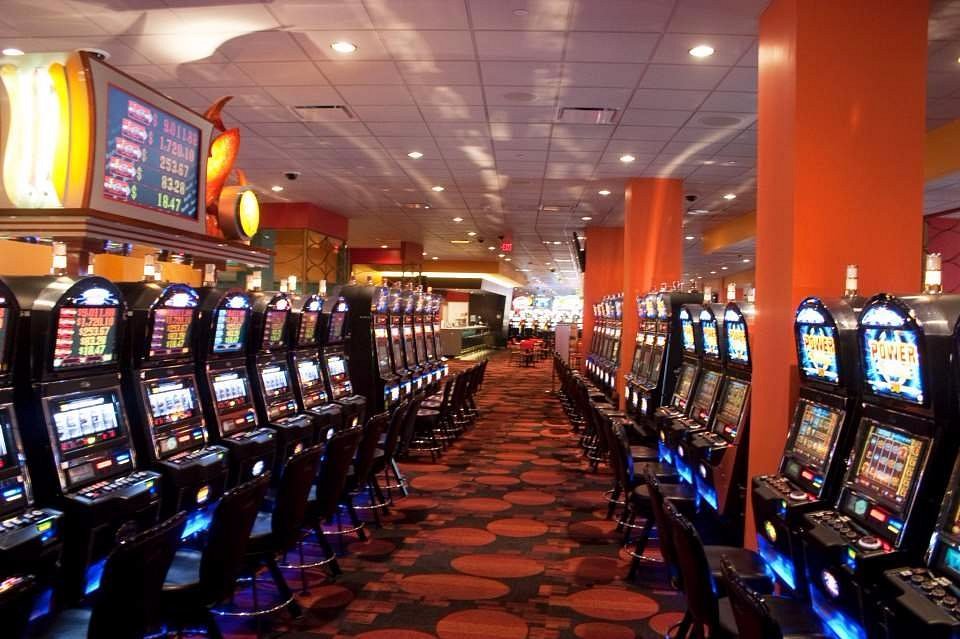
The physical and social environment of casinos is meticulously crafted to enhance gambling behavior. From the layout to lighting and sound design, every aspect is intentional. For instance, the absence of clocks and windows creates a sense of timelessness, encouraging players to stay longer and gamble more. The inviting aesthetics, featuring bright colors and exciting visual displays, draw attention and stimulate the senses, making it easy for individuals to lose themselves in the experience.
Casinos also use strategic design elements to encourage risk-taking behavior. For instance, many gaming tables are positioned to create an atmosphere of excitement and social engagement. This arrangement fosters interactions between players, making them feel part of a larger community. Moreover, enticing layouts often lead players to explore different games, increasing the likelihood of further gambling. The design elements serve to maintain the player’s attention and encourage prolonged engagement.
The use of rewards and incentives is another critical factor in driving gambling behavior. Promotions, loyalty programs, and bonuses can create a sense of entitlement among players, encouraging them to continue playing. These strategies are effective in solidifying the emotional connection between players and the casino experience. When individuals perceive that they are receiving value, even in the form of free spins or chips, they are likely to gamble more, further reinforcing the cycle of behavior.
The role of addiction and problem gambling
Understanding the psychological triggers behind gambling is crucial, especially when discussing addiction and problem gambling. Not everyone who gambles develops a gambling addiction, but those who do often experience various mental health challenges. Psychological triggers can lead to compulsive behaviors, where individuals prioritize gambling over personal relationships, work, or financial stability. Recognizing the signs of problem gambling is essential for intervention and support.
Many individuals may gamble as a coping mechanism for stress or emotional issues, creating a cycle of dependency that is difficult to break. When gambling provides a temporary escape from reality, it becomes an ingrained habit that is hard to resist. In such cases, external factors such as social environment and mental health can exacerbate gambling behaviors, leading to devastating consequences for individuals and their families.
Effective treatment for gambling addiction often involves addressing underlying psychological issues and implementing behavioral strategies. Cognitive-behavioral therapy (CBT) has proven to be successful in helping individuals reshape their thoughts and behaviors around gambling. By identifying and challenging cognitive distortions, individuals can gain a clearer perspective on their gambling habits and work towards healthier coping mechanisms.
Exploring responsible gaming and resources
In today’s casino landscape, the importance of responsible gaming cannot be overstated. Many casinos are increasingly recognizing their social responsibility to promote safe gambling practices. Implementing self-exclusion programs, providing educational resources, and establishing limits on spending are steps being taken to mitigate the risks associated with gambling. Such measures aim to create a safer environment for players while still allowing them to enjoy their gaming experience.
Websites that focus on responsible gaming often provide comprehensive resources, including tips for recognizing the signs of problem gambling, ways to seek help, and links to support organizations. These resources aim to empower individuals to make informed choices about their gambling behavior and to seek assistance if necessary. The availability of such resources can be pivotal for those struggling with gambling addiction.
Overall, understanding the psychological triggers that drive gambling behavior is essential for players, casino operators, and policymakers alike. By recognizing the complex interplay of excitement, cognitive biases, and environmental influences, stakeholders can work together to foster a healthier gambling culture. Through initiatives promoting responsible gaming, the casino industry can contribute to a safe, enjoyable experience for all participants.