
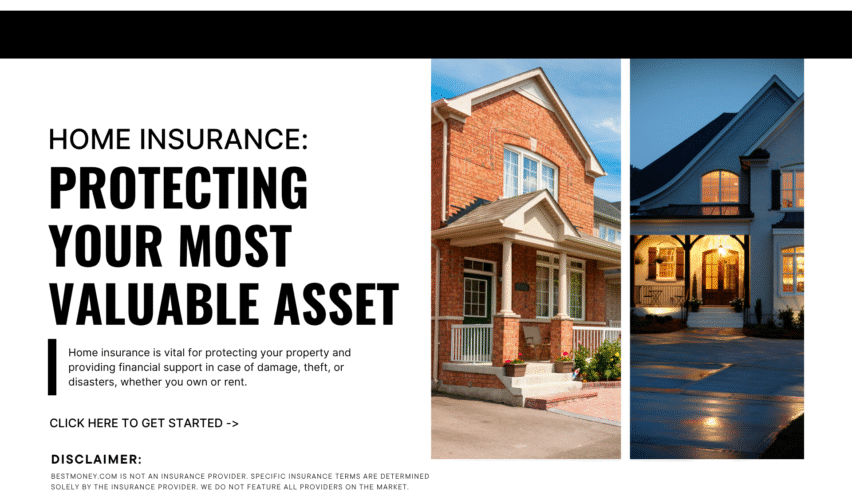
Home insurance is an essential part of protecting one of the most significant investments you’ll ever make: your home. Whether you own or rent, having the right insurance coverage can help safeguard your property and provide financial support in the event of damage, theft, or natural disasters. In this guide, we will explore the different types of home insurance, the coverage options available, and tips on how to choose the best policy for your needs.
What is Home Insurance?
Home insurance is a contract between a homeowner (or renter) and an insurance provider, where the insurer agrees to cover certain financial losses in exchange for regular premium payments. This insurance typically covers damages to the home’s structure, personal belongings, and liability in case someone is injured on your property. Home insurance can also provide protection in cases of theft, fire, natural disasters, and other unexpected events.
Types of Home Insurance Coverage
Home insurance policies can vary based on the level of coverage and the specific risks they address. The most common types of coverage include:
- Dwelling Coverage:
This covers the physical structure of your home, including walls, roof, floors, and built-in appliances. It protects against damages caused by fire, vandalism, wind, hail, or other covered perils. Dwelling coverage is crucial for ensuring that repairs or rebuilding costs are covered if your home is damaged or destroyed. - Personal Property Coverage:
Personal property insurance covers the contents of your home, such as furniture, electronics, clothing, and personal belongings. If these items are stolen, damaged, or destroyed, this coverage helps to replace or repair them. Many policies also extend coverage to personal property outside of your home, such as items stolen from your car or while traveling. - Liability Protection:
Liability insurance protects you if someone is injured on your property and decides to sue for damages. It covers medical bills, legal costs, and any settlements if you are found liable for the injury. This coverage also extends to accidents caused by your pets, such as if your dog bites someone. - Loss of Use (Additional Living Expenses):
If your home becomes uninhabitable due to damage from a covered peril, loss of use coverage helps pay for living expenses, such as hotel stays, food, and other necessary costs, while your home is being repaired or rebuilt. - Medical Payments Coverage:
This provides coverage for medical expenses if someone is injured on your property, regardless of fault. It covers smaller injuries that do not result in a lawsuit and can help with medical bills for guests, visitors, or others who may be injured while on your premises.
Optional Coverage and Riders
In addition to the standard coverage options, homeowners may want to consider additional coverage for specific risks, including:
- Flood Insurance:
Standard home insurance policies do not cover flood damage. If you live in a flood-prone area, purchasing a separate flood insurance policy is essential. Floods can cause significant property damage, and this extra coverage ensures that you’re protected. - Earthquake Insurance:
Similar to flood insurance, earthquake coverage is not typically included in standard policies. If you live in an area prone to earthquakes, this rider can help protect your home from damages caused by seismic activity. - Sewer Backup Insurance:
This coverage protects against damages caused by the backup of sewers or drains. If your home’s plumbing system fails or a flood causes sewage to back up, this insurance can help cover the cost of repairs and cleaning. - Umbrella Insurance:
Umbrella insurance is additional liability coverage that goes beyond the limits of your home insurance. It’s ideal for high-net-worth individuals or those seeking extra protection against lawsuits or other liabilities.
Factors That Affect Home Insurance Premiums
The cost of home insurance premiums can vary depending on several factors. Understanding what influences your premium can help you make informed decisions when purchasing a policy.
- Location:
Where your home is located plays a significant role in your insurance premium. Homes in areas prone to natural disasters, such as floods, earthquakes, or hurricanes, typically have higher premiums. Additionally, homes in high-crime neighborhoods may face higher premiums due to the increased risk of theft or vandalism. - Home Value and Age:
The age and condition of your home are important factors. Older homes may have outdated electrical systems, plumbing, or roofing, which can increase the risk of damage or fire. Newer homes, on the other hand, may be built with modern materials and better safety features, potentially lowering premiums. - Coverage Limits and Deductibles:
The amount of coverage you choose and the deductible you set will affect your premium. Higher coverage limits will generally result in higher premiums, while opting for a higher deductible can lower your premium. However, ensure that you choose a deductible you can afford in case of a claim. - Claims History:
Your claims history, both as a homeowner and as a renter, can impact your premium. A history of multiple claims may indicate higher risk, which could result in higher premiums. Maintaining a claims-free record can help keep costs lower. - Security Features:
Homes with advanced security systems, such as burglar alarms, smoke detectors, and fire suppression systems, may qualify for discounts. Insurance companies view these features as reducing the risk of damage or theft, so they may offer lower premiums to homes with these protections.
Tips for Choosing the Right Home Insurance Policy
- Assess Your Needs:
Evaluate the value of your home and personal belongings, as well as any potential risks specific to your location (e.g., floods, earthquakes). Choose a policy with coverage limits that accurately reflect your needs. - Compare Quotes:
Insurance premiums can vary greatly between companies. It’s important to get quotes from multiple insurers to compare coverage options, pricing, and customer service. Look beyond just the price—evaluate the policy terms and company reputation. - Review the Policy Details:
Ensure that you understand the policy terms, including exclusions and limitations. Some policies may not cover certain types of damage or may only cover a portion of the repair costs. Always read the fine print before committing. - Consider Bundling:
Many insurance companies offer discounts if you bundle home insurance with other policies, such as auto insurance. Bundling can help you save money while maintaining comprehensive coverage. - Reevaluate Annually:
Life changes, and so do insurance needs. Review your home insurance policy regularly, especially if you’ve made home improvements, acquired valuable possessions, or experienced a major life change.
Conclusion
Home insurance is an essential tool for protecting your property and assets. Understanding the different types of coverage, factors that affect your premiums, and how to choose the right policy can help you make informed decisions. With the right insurance in place, you can have peace of mind knowing that your home and belongings are protected from unexpected events.