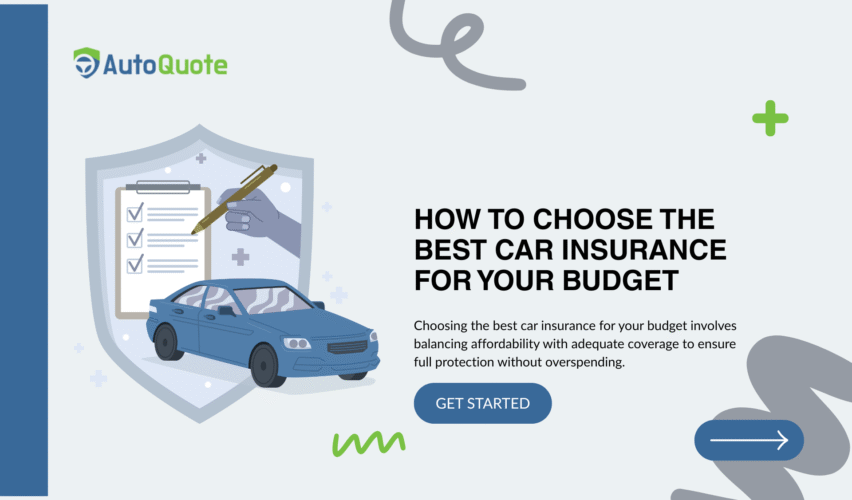
Choosing the best car insurance for your budget requires more than just picking the cheapest option available. You need to balance affordability with adequate coverage to ensure you’re fully protected on the road without overspending. Here’s a professional guide to help you select the best car insurance that fits your financial situation.
1. Understand Your Coverage Needs
Before comparing prices, take a moment to assess the coverage you actually need. Consider the following factors:
- Liability Coverage: This covers damage to other people’s property and injuries caused in an accident you’re at fault for. This is required by law in most states, so make sure you meet the minimum requirements.
- Collision Coverage: This covers repairs to your own vehicle after an accident, regardless of fault. It’s beneficial if you own a newer car or one with high repair costs.
- Comprehensive Coverage: This provides protection against non-collision-related incidents, such as theft, vandalism, or weather damage. It’s worth considering for drivers who live in areas prone to such risks.
- Uninsured/Underinsured Motorist Coverage: If you’re involved in an accident with someone who doesn’t have insurance or lacks enough coverage, this policy protects you.
- Personal Injury Protection (PIP): This covers medical expenses for you and your passengers, no matter who is at fault.
2. Determine Your Budget
Establish how much you can afford to spend on car insurance each month or year. Remember that cheaper options may not always provide adequate coverage, and you don’t want to be caught without sufficient protection in case of an accident. Here are some tips to help:
- Premium vs. Deductible: A lower premium usually means a higher deductible, and vice versa. Ensure you’re comfortable with the deductible, which is the amount you’ll need to pay out of pocket before your insurance kicks in.
- State Minimums: While the law mandates a minimum amount of coverage, it may not be sufficient in all situations. If you’re on a tight budget, it might be tempting to go for the minimum, but consider the potential financial impact if you were involved in a serious accident.
- Payment Frequency: Many insurers offer discounts for paying your premium in full upfront instead of monthly. If it fits your budget, this can save you money in the long run.
3. Compare Multiple Quotes
Don’t settle for the first quote you receive. To get the best deal, compare quotes from multiple car insurance providers. Be sure to look at:
- Coverage Options: Different insurance companies may offer varying coverage options. Some may provide extras like roadside assistance or rental car coverage, which could be valuable depending on your needs.
- Discounts: Many insurance companies offer discounts that can significantly lower your premium, such as:
- Multi-policy discounts (bundling auto and home insurance)
- Safe driver discounts
- Low-mileage discounts
- Good student discounts
- Vehicle safety feature discounts
- Customer Service and Reputation: Price shouldn’t be your only consideration. Read reviews, check customer satisfaction ratings, and ensure that the company is known for fast claims processing and helpful customer service.
4. Evaluate Your Vehicle
The type of car you drive can also impact your insurance premiums. For instance:
- Newer vs. Older Cars: Newer vehicles generally cost more to insure due to their higher repair or replacement costs. If your car is older, you may want to drop comprehensive or collision coverage to save money.
- Make and Model: Sports cars, luxury vehicles, and high-performance cars tend to be more expensive to insure due to the higher risk of theft or the cost of repairs. On the other hand, sedans and SUVs might be more affordable to insure.
- Safety Features: Cars equipped with advanced safety features, like anti-lock brakes, airbags, and automatic emergency braking, may qualify for discounts.
5. Consider the Insurance Provider’s Claims Process
An affordable policy isn’t valuable if the provider is difficult to work with during a claim. Choose a company known for its smooth claims process. Factors to consider include:
- Claim Response Time: How quickly does the insurer respond to claims? A delayed claim could put you in a financial bind.
- Claims Satisfaction: Read customer reviews and look for ratings related to claims satisfaction. Companies with a reputation for fast, fair settlements are usually a safe bet.
- Accessibility: Make sure the insurance provider has multiple communication channels, such as a mobile app, phone support, and an online portal for easy access to your policy details and claims filing.
6. Review and Adjust Annually
Once you’ve selected the best car insurance policy for your budget, don’t forget to review your coverage annually. Your insurance needs may change, especially if you’ve:
- Paid off Your Car: Once your car is paid off, you may choose to remove collision or comprehensive coverage, as you don’t need to protect a financed vehicle.
- Changed Vehicles: If you buy a new or used car, you may need to adjust your coverage accordingly.
- Moved to a New Location: If your location changes, insurance rates may vary depending on the area’s risk factors (e.g., crime rate, weather conditions, traffic density).
Conclusion
Selecting the best car insurance for your budget requires careful consideration of your coverage needs, the insurance provider’s reputation, and the cost of premiums. By comparing multiple quotes, understanding the types of coverage, and factoring in discounts and other cost-saving measures, you can ensure that you’re getting the most value for your money without compromising on protection. Be sure to review your policy regularly and make adjustments as your circumstances change to keep your insurance in line with your evolving needs.