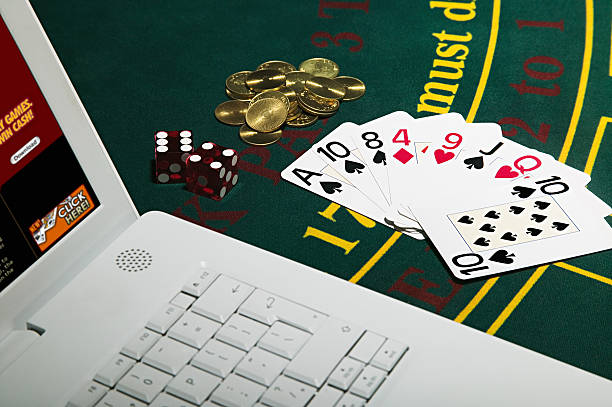

Top Online Casino Games to Play in 2025: Expert Guide for Real Money Wins
Online casino games have revolutionized the gambling world, bringing the electrifying thrill of Las Vegas directly to your screen. With cutting-edge graphics, live dealers, and massive progressive jackpots, these platforms offer an unmatched blend of convenience and adrenaline. Whether you chase spins or strategic blackjack, the next life-changing win is just a click away.
Mastering the Digital Felt: Core Mechanics of Modern Betting Platforms
Modern betting platforms operate on a meticulously engineered foundation where real-time odds calculation and dynamic liquidity pools converge. The core mechanic begins with probability algorithms that continuously adjust lines based on live market action, injury reports, and historical data streams. Successful navigation hinges on understanding margin structures—the built-in house edge typically ranging from 2% to 8%—and leveraging in-play volatility through cash-out features that let you lock profits before event completion. Crucially, mastering bankroll management protocols, such as flat staking or the Kelly Criterion, separates disciplined operators from impulsive players. Additionally, recognition of latency arbitrage windows, especially during high-frequency sports like tennis or basketball, can yield slight edges, though platforms counter with strict fairness audits and RNG certifications. Ultimately, your long-term viability depends on treating every wager as a statistical decision, not an emotional gamble, while exploiting promotional free bets and reduced-juice markets only when they align with your calculated value thresholds.
Random Number Generators and Fair Play Certifications
Modern betting platforms hinge on a dynamic odds engine that recalibrates prices in real time, driven by liquidity pools and algorithmic risk assessment. The core loop involves a pre-match and in-play wagering interface, where users place stakes against shifting probability models. Responsible gambling tools are now integral, offering deposit limits, cool-off periods, and self-exclusion triggers to mitigate harm. Key mechanics include cash-out features that let bettors lock in partial profits before an event concludes, and accumulator builders that multiply odds across selections. Settlement relies on automated result feeds, while edge protection uses minimum stake thresholds and maximum payout caps. Live streaming integration and micro-betting markets—such as next corner or next card—demand sub-second latency, making backend stability as critical as the user-facing widgets. Ultimately, the platform’s profitability balances margin compression against user retention through frictionless payment rails and personalized push notifications.
Understanding Return-to-Player Percentages and House Edge
Modern betting platforms hinge on a frictionless user journey, where in-play odds updating in real time and rapid cash-out options define the experience. To truly excel, you must internalize the concept of dynamic liability management, balancing your exposure across markets as the action unfolds. Master the interface’s layered menus—pre-match accumulators, micro-markets, and player props—before wagering, since misclicks are the leading cause of preventable losses. Prioritize platforms offering a clear transaction ledger and transparent house-edge percentages; these are your analytical bedrock. Successful navigation also demands recognizing behavioral triggers embedded in the UI, such as “bonus boosts” or “bet boosts,” which often mask tighter margins. Ultimately, treat the platform as a data dashboard, not a game, and your decisions will sharpen accordingly.
Volatility Levels: Choosing Between Steady Wins and Big Jackpots
Modern betting platforms feel less like a casino and more like a slick video game, and that’s by design. The core loop is built on instant feedback: odds shift in real time, cash-out buttons flash when the momentum turns, and live stats update faster than you can blink. You’re not just placing a wager; you’re reading a dynamic dashboard where every click changes the state of play. The real skill is managing your bankroll while ignoring the dopamine hits from near-misses and partial wins. Responsible gambling tools are now baked into the interface, letting you set deposit limits or self-exclude without digging through menus. That said, the mechanics still favor the house—parlays stack risk exponentially, and “boosted odds” often carry hidden margins. Know the difference between a fair price and a trap, and treat every bet like a small, disposable experiment.
Slot Spins Reimagined: Features That Drive Engagement
Slot Spins Reimagined transforms ordinary gameplay into a high-stakes adventure by layering every spin with dynamic engagement mechanics that keep players locked in. Cascading reels, expanding wilds, and multiplier trails create a sense of momentum where each turn feels like a strategic decision, not a random click. The real driver is the “win-again” loop—after a payout, a volatile bonus meter rises, teasing near-miss triggers and cluster-based respins that prolong excitement without padding. Progressive jackpot tiles that shift positions on every spin add unpredictability, while social leaderboards and live tournament timers inject friendly rivalry. By blending instant gratification with delayed suspense, these player-retention features ensure that no two sessions feel alike, turning casual spins into compulsive, reward-rich experiences that demand another round.
Megaways Mechanics and Expanding Reel Dynamics
Slot Spins Reimagined transforms classic gameplay through dynamic mechanics designed to sustain player retention. **High-volatility bonus rounds** now incorporate cascading reels and expanding wilds, ensuring every spin carries tangible anticipation. Progressive multipliers, triggered by consecutive wins, escalate the stakes, while interactive pick-and-click features break monotony by granting users agency over outcomes. Real-time leaderboards and social challenges inject competitive urgency, converting solitary sessions into shared experiences.
Engagement isn’t luck—it’s engineered through layered reward loops that reward both patience and risk.
Furthermore, adaptive difficulty algorithms tailor volatility to individual player behavior, balancing frustration and excitement. Mobile-first haptic feedback and cinematic soundscapes amplify immersion, while “buy-a-bonus” options empower strategic bankroll management. These elements coalesce to deliver a frictionless, ethically-considered thrill loop.
Progressive Jackpot Networks: Pooling Stakes Across Players
Modern slot mechanics have evolved far beyond static reels, transforming player sessions into dynamic narratives of anticipation. The rise of cascading symbols, expanding wilds, and multi-level bonus rounds creates a layered experience where every spin carries tangible momentum. High-volatility engagement loops are the secret sauce, as players chase the thrill of a massive payout hiding behind near-miss sequences. Interactive pick-and-click features, coupled with progressive multipliers, reward both luck and decision-making, while gamified progression bars add a meta-layer that fuels return visits. These systems are engineered to trigger dopamine spikes—not through chance alone, but through a carefully paced rhythm of small wins, visual feedback, and escalating stakes. In this reimagined landscape, the slot is no longer a passive gamble; it is a micro-campaign of risk, reward, and relentless sensory reinforcement.
Bonus Buy Options vs. Traditional Free Spin Triggers
Every spin in modern slots isn’t just a chance at a payout—it’s a mini-narrative where cascading reels, expanding wilds, and cluster pays reshape the board in real time. The true hook lies in **interactive bonus rounds that reward strategic choices**, turning passive play into a tactical gamble. Features like progressive multipliers that climb with every consecutive win create a palpable tension, while “buy-a-bonus” options let risk-takers skip straight to the climax. Mystery symbols that transform mid-spin keep the anticipation alive, and sticky respins offer a slower burn with compounding rewards. This blend of unpredictability and visible progression keeps players chasing that next “almost” moment, making each session feel like a fresh chapter rather than a loop.
Q: What drives longer play sessions? A: Volatile features with rising stakes—like laddered multipliers or unlockable reels—create a sense of momentum, while instant-win pop-ups give quick dopamine hits between narrative beats.
Strategic Card Play: Blackjack and Poker Variations in Virtual Rooms
In the hushed glow of a virtual felt table, the shuffle of digital cards is a whisper against the silence of your own strategy. Here, strategic card play transcends mere luck, especially when you pivot between blackjack’s rigid math and poker’s fluid psychology. In blackjack variants, you read the dealer’s upcard like a weather forecast, adjusting your bet spread with each shoe’s pulse. But in poker rooms, the game becomes a narrative of tells and tempo, where a slow-check on a river bet can rewrite the entire story. Master both, and you learn that the house edge is just a starting point—your real leverage lies in **strategic betting patterns** and the art of folding before the trap snaps shut. Every hand is a new chapter, and only the patient pen their own ending.
Live Dealer Blackjack: Real-Time Decision Making
In virtual rooms, strategic card play takes on a whole new layer, blending classic blackjack and poker variations with digital-speed decision-making. You’re not just reading opponents’ faces; you’re parsing betting patterns, timing tells, and even their chip-stacking habits via software. For blackjack, mastering basic strategy becomes non-negotiable, but side bets and multi-hand variants like Spanish 21 demand quick mental math under zero lag. Poker-wise, Texas Hold’em still rules, yet Omaha and short-deck formats force you to adjust pot odds and hand ranges on the fly. Knowing when to fold against a bot-like player is half the battle online. The big wins come from exploiting predictable tendencies—like auto-check boxes or instant all-ins—while protecting your own rhythm with randomized bet sizing. Mastering virtual table etiquette boosts your win rate, since slow-playing or tanking rarely works when timers are short. Key tactics include:
– Watching for repeated bet sizings (e.g., 66% pot = strength).
– Using position aggressively when dealer’s upcard is weak.
– Switching between tight and loose modes to break patterns.
Keep your bankroll split across tables, and always review hand histories to spot leaks.
Video Poker Paytables and Optimal Strategy Charts
Mastering strategic card play in virtual rooms demands a shift from live-table instincts to data-driven discipline. In blackjack, the core remains basic strategy, but online variations like Spanish 21 or Blackjack Switch require adjusted deviations, especially for surrender and split decisions. For poker, particularly in anonymous Zoom or fast-fold formats, exploitative bet sizing reads become less reliable, so you must rely on population tendencies and pre-flop range construction rather than physical tells. Virtual rooms also reward bankroll management due to rapid hand turnover—a variance spike hits faster. Use auto-staking tools for blackjack, and for poker, track fold-to-3-bet stats via HUD software. Key adjustments include:
- Slowing down early position calls in 6-max poker.
- Increasing double-down frequency in single-deck blackjack when dealer shows 5 or 6.
- Avoiding bluff-heavy lines against passive, multi-tabling opponents online.
Ultimately, success depends on adapting to the software’s RNG patterns, not just memorizing charts.
Side Bets and Insurance: Weighing Risk vs. Reward
Mastering strategic card play in virtual rooms demands a sharp pivot from live-table habits, as digital Blackjack and Poker variations reward data-driven adaptability over gut instinct. In online Blackjack, the core remains basic strategy—surrendering on hard 16 versus a dealer’s 10, doubling on 11 against a 6—but edge tracking shifts to shuffle-monitoring algorithms and side-bet volatility. Poker variations like Texas Hold’em and Omaha, meanwhile, become battlegrounds of opponent modeling: you exploit fold-to-3-bet stats, auto-range adjustments, and timing tells, all while managing multi-table tilt. Virtual rooms punish emotional play faster than any dealer’s smirk. The winning edge lies in bankroll compartmentalization—separate funds for aggressive shove-spots versus cautious value bets—and in using HUDs to spot passive fish who call too wide.
In cyberspace, the house edge shrinks only for those who treat every hand as a data point, not a drama.
Adopt these tactics or watch your stack bleed to bots and grinders alike.
Roulette Wheels and Dice Games: Purely Chance-Based Appeal
Roulette wheels and dice games derive their enduring appeal from their absolute reliance on random outcomes, offering players a transparent and uncomplicated form of gambling. Unlike card games or sports betting, where skill, strategy, or prior knowledge can influence results, these games strip away all decision-making beyond the initial wager, creating a pure, visceral thrill of chance. The spinning wheel’s ball and the tumbling dice produce results that are mathematically independent of previous spins or rolls, ensuring that no pattern or system can alter the house edge. This inherent unpredictability is the core of their popularity, as it levels the playing field for all participants and delivers an immediate, unambiguous resolution. For many, the suspense of waiting for the ball to settle or the dice to stop is the entire entertainment value. Consequently, both formats serve as fundamental pillars of the casino industry, embodying the archetypal gambling experience.
European vs. American Layouts: Single Zero Advantage
Roulette wheels and dice games deliver their thrill through pure, unmediated chance—no skill curve, no strategy to master, only the raw physics of a spinning ball or tumbling cubes. This chance-based gambling appeal lies in its democratic simplicity: every player, from novice to veteran, faces identical odds on each spin or roll. The wheel’s alternating red and black pockets, and the dice’s six numbered faces, create a tension that skill-based games cannot replicate—a single moment where outcome is completely detached from intent. The house edge remains fixed, yet the possibility of a streak feels personal and electric. Whether the ball drops into 17 or the die shows snake eyes, the result is final, immediate, and indifferent to your hopes. There is a strange comfort in surrendering control to gravity and probability. This is why these games endure: they strip away pretense and offer the purest form of risk and reward, with no one to blame but fate itself.
Craps Table Etiquette in a Digital Environment

The felt table hums with anticipation as the ivory ball dances around the polished wheel, defying prediction with every bounce. In both roulette and dice games, the allure lies not in skill but in the pure, unfiltered theatre of chance. Every spin and every roll is a self-contained story, where past outcomes hold no power over the next moment. This **random outcome uncertainty** is the engine of their appeal, creating a level playing field where a novice can topple a veteran in a single breath. The croupier’s call, the rattle of bones in a cup—these sounds trigger a primal thrill. It’s the elegant simplicity that captivates: place your bet, and let fate decide. No strategy can tame the wheel or the dice, only the raw, electric possibility that this time, the universe will land on your number.
Lightning Roulette and Multiplier-Injected Variants
In the hushed glow of the casino, the roulette wheel spins a hypnotic dance of polished wood and ivory, its silver ball clattering like destiny itself—a pure lottery where no skill can bend the outcome. Unlike poker or blackjack, these games strip away pretense, offering raw, unfiltered adrenaline where every spin and roll is a heartbeat suspended in time. The dice tumble across the felt, their pips a cryptic language of chance that humbles even the boldest strategist. This **purely random gambling entertainment** thrives on the thrill of the unknown, where a single moment can crown a winner or empty a pocket. Players return not for strategy, but for the cathartic release of surrendering control. In this arena, fate is the only dealer, and every wager is a whispered prayer to luck’s capricious altar.
Skill-First Options for Competitive Players
For competitive players, prioritizing skill-first options over meta-dependent crutches is the surest path to sustainable dominance. Rather than chasing temporary balance patches or gimmicky mechanics, invest in fundamentals like spacing, resource management, and read-based decision-making—these transfer across patches and modes, making your performance resilient. Master a small, versatile toolkit that rewards execution and adaptation, allowing you to force opponents into your tempo instead of reacting to theirs. In high-pressure matches, skill-first choices reduce variance; you rely on your own consistency, not external factors that can betray you mid-fight. Competitive longevity comes from building muscle memory around core techniques, while high-level strategy emerges from layered mind games, not one-trick tactics. When you finally face a mirror matchup or a counterpick, your baseline skill carries you through where others panic.
Never trade your raw ability for a temporary advantage—a skilled player with a mediocre kit will outlast a mediocre player with a perfect one.
Focus on deliberate practice, not shortcuts, and let your mechanics speak louder than any spreadsheet of tier lists.
Teen Patti and Andar Bahar: Regional Favorites Go Global
For competitive players, skill-first options are all about ditching the gimmicks and focusing on mechanics that actually translate to wins. This means picking loadouts, characters, or strategies with a high skill ceiling, where your individual performance directly dictates the outcome. Mechanical mastery beats meta-chasing in the long run, especially when patches shuffle the tier lists. Instead of copying streamers, drill your fundamentals—aim, movement, and timing—and choose tools that reward that effort. For example:
- Weapons with recoil patterns over laser beams (more room to outplay).
- Characters with utility (not just raw damage) to create unpredictable plays.
- Settings that minimize input delay, even if they look less flashy.
The real edge isn’t a hidden build—it’s consistency under pressure.
If you can land the hard tech every time, you don’t need a crutch to carry you.
Pick one skill, grind it into muscle memory, and let that be your flex.
Baccarat Squeeze Mechanics and Pattern Watching
For competitive players, skill-first options prioritize mastery of core mechanics over grinding for loot or following meta trends. The most effective path involves deliberate practice in aim trainers, replay analysis, and sparring against stronger opponents, rather than relying on gear or character tier lists. Skill-based matchmaking systems reward consistent performance, so focus on tightening your decision-making speed and movement efficiency. A structured routine—like 20 minutes of warm-up drills, 30 minutes of ranked play, and 10 minutes reviewing losses—yields faster growth than casual marathon sessions. Often, the smallest mechanical tweak, like adjusting your sensitivity curve, creates the biggest rank jump. For those stuck in plateaus, consider joining community scrims or using frame-data tools to exploit matchup gaps. Ultimately, choose a main that feels intuitive, then study high-level VODs of that character to mirror advanced techniques. This approach beats chasing temporary buffs or nerfs.
Poker Tournaments with Satellites and Rebuys
For competitive players, skill-first options represent the definitive path to sustained dominance, as they prioritize raw mechanical execution and tactical mastery over temporary meta-chasing. Competitive gaming progression demands that you select agents, loadouts, or builds whose ceiling matches your ambition, not just current win rates. Unlike “easy-mode” choices that plateau quickly, skill-first picks amplify your decision-making and reflexes, allowing you to outplay opponents even when matchups are unfavorable. This approach forces consistent practice, but the payoff is exponential—you build transferable fundamentals that remain viable across patches and seasons. In high-stakes ranked or tournament play, relying on crutches is a liability; a sharpened, adaptable skill set is the only reliable insurance against unpredictability. Choose tools that reward precision, then commit to drilling them until execution becomes instinct. Respect your own potential by refusing shortcuts, and you’ll turn every engagement into a statement of superiority. Remember: meta shifts, but skill compounds.
Mobile-First Adaptations: Touchscreen Optimized Play
Mobile-first adaptations have fundamentally reshaped slot gaming by prioritizing touchscreen-optimized play across devices. Developers now redesign interfaces with larger tap targets, swipe-friendly gesture controls, and simplified menus that eliminate hover-dependent functions. The shift involves rethinking spin buttons, bet adjusters, and paytable navigation for thumb reach, while also implementing haptic feedback and visual confirmations to compensate for the lack of physical keys. Responsive layouts dynamically resize symbols and reels, ensuring crisp graphics on smaller screens, and features like long-press to accelerate spin cycles or drag-to-adjust wagers reduce accidental inputs. Furthermore, autoplay options and battery-efficient animations are refined, and portrait orientation modes become standard. These mobile-first design principles not only maintain gameplay integrity but also enhance engagement, as session analytics show higher retention when touch interactions feel intuitive. Ultimately, the adaptation prioritizes fluid, one-handed usability over desktop parity, establishing a new baseline for casual and high-frequency play.
Responsive Layouts for Portrait and Landscape Modes
Mobile-first adaptations have completely changed how we play games on our phones, putting touchscreen-optimized play at the heart of modern game design. Developers now build interfaces with bigger, thumb-friendly buttons and swipe gestures that feel natural, replacing fiddly taps and tiny icons. The best part? Games load faster, use less battery, and adapt to any screen size without losing visual quality. You’ll see smarter menus that collapse into drawers, and interactive elements that respond instantly to pressure or multi-touch. This shift means you can enjoy complex strategy or fast-paced action without ever needing a physical controller. Plus, auto-save features and offline modes make it easy to jump in and out during quick breaks. For a smooth experience, keep these basics in mind:
- Use larger hit zones for critical buttons
- Test swipe sensitivity for both left- and right-handed players
- Minimize text input with pre-set shortcuts
Quick-Load HTML5 Titles vs. Dedicated App Installs
When Ella’s thumbs first swiped across the castle’s drawbridge, the game didn’t just shrink—it *breathed* with her. Mobile-first adaptations prioritize **touchscreen-optimized play** by replacing hover-dependent clicks with direct, tactile interactions: tapping to leap, dragging to aim, and pinching to zoom the map’s secrets into focus. Buttons now bloom under fingers, with generous hitboxes that forgive a rushed morning commute, while haptic feedback turns every successful block-break into a small victory pulse. The UI folds away during critical moments, letting the story own the screen, then resurfaces only when her thumb hovers near the edge. Gesture tutorials blur into the narrative—Ella learns to spin the locket by following a sparkle trail, not by reading a manual. *The best mobile play feels like the game is reading your hands, not just your taps.* Ultimately, the adaptation isn’t about scaling down; it’s about making every swipe feel like an intentional, joyful choice.
Gesture-Based Controls for Spinning and Bet Adjustments
Mobile-first adaptations have transformed online gaming by prioritizing touchscreen-optimized play, where every tap, swipe, and pinch feels instinctive. Developers now design interfaces with larger hitboxes, thumb-friendly button placement, and haptic feedback that mimics physical controls, reducing misinputs during fast-paced action. This shift means mobile gaming performance hinges on fluid gesture recognition, from drag-to-aim mechanics to multi-touch combos, ensuring responsiveness under latency-sensitive conditions. Adaptive layouts also auto-resize assets for varying screen sizes, while edge-to-edge displays maximize immersion without cluttering the view. Dynamic tutorials teach gesture shortcuts, and customizable controls let players adjust sensitivity or reposition buttons for comfort. The result is a seamless experience where the device disappears, leaving only pure, tactile gameplay—proving that small screens no longer limit ambition.
Bonuses and Promotions: Decoding Wagering Requirements
Let’s be real—bonuses look amazing until you hit the fine print. That’s where wagering requirements swoop in like a plot twist. Simply put, they dictate how many times you must play through your bonus amount (and sometimes your deposit) before you can withdraw any winnings. For example, a 30x requirement on a $100 bonus means you need to wager $3,000. Sounds brutal, but it’s not all doom and gloom if you know what to look for. Games contribute differently, too—slots usually count 100%, while table games might only count 10% or even zero. Always check the eligible games list, the validity period, and whether your max bet during play is capped. Smart players always read the terms before claiming, because a high roller bonus with a 50x playthrough can quickly turn into a trap.
The real secret? Choose bonuses with lower rollovers and higher game contribution—that’s how you turn a sweet promo into actual cash.
And don’t forget that some casinos offer “no-wager” free spins, which are pure gold. So next time you see a shiny offer, pause, do the math, and only then decide if it’s worth your time. Mastering wagering requirements is your ticket to bonus success—not just luck.
Match Deposit Offers and Free Chip Limitations
Imagine a casino bonus as a golden ticket, but one that comes with a microscopic map. The wagering requirement is that map, and misreading it turns treasure into a trap. Simply put, it’s the number of times you must bet your bonus (and sometimes your deposit) before any winnings become withdrawable cash. A 35x requirement on a $100 bonus means you need to wager $3,500 in total. **Online casino bonus terms** often hide the real complexity here. Not all games contribute equally—slots usually count 100%, but table games might only count 10% or even zero. Some offers also cap your maximum bet while the bonus is active, and time limits can silently expire your funds. The storytelling twist? The most generous-looking offer often has the steepest climb. Always divide the bonus by the percentage contribution of your favorite game to see the actual distance you must travel.
Cashback Programs on Net Losses
Bonuses and promotions look amazing on paper, but the fine print often hides a catch: wagering requirements. Simply put, this is the number of times you must bet your bonus (or bonus plus deposit) before you can withdraw any winnings. For example, a 30x requirement on a $100 bonus means you need to wager $3,000 total. Always check the game contribution percentages too, since slots usually count 100%, but table games might only count 10% or even zero. If you ignore these rules, you’ll be stuck with a balance you can’t cash out.

Never accept a bonus without reading the rollover terms—otherwise, you’re just playing for fun, not for profit.
Here’s a quick cheat sheet to decode the numbers faster:
- Low wagering (1x–10x): Great for casual players, easy to clear.
- Medium (10x–30x): Standard, but watch the game restrictions.
- High (35x+): Only worth it if the bonus amount is huge or the time limit is generous.
Also, look for a maximum bet limit while the wagering is active—usually $5–$10 per spin—so you don’t accidentally void the promo. And always note the expiration date; most bonuses vanish after 7 days. The smartest move? Compare the total playthrough (bonus amount × multiplier) against your bankroll. If it feels like a marathon, skip it. Your wallet will thank you.
Loyalty Tiers, VIP Points, and Exclusive Rewards
Casino bonuses often appear generous, but their true value hinges on wagering requirements—the multiplier that dictates how many times you must play through the bonus amount before withdrawing winnings. A 30x requirement on a $100 bonus means $3,000 in total bets, not a guarantee of profit. Understanding wagering requirements is essential for maximizing bonus value because game weightings alter the pace of play. Slots usually contribute 100%, while table games may count only 10% or even 0%. Players should also check time limits and maximum bet caps, which can quietly nullify a bonus. Lower multipliers and higher game contributions always signal a more player-friendly offer.
Safety Measures: Encryption Protocols and Responsible Gaming Tools
In the digital gaming ecosystem, robust encryption protocols serve as the non-negotiable foundation for safeguarding sensitive user data and financial transactions. Industry-standard TLS 1.3 and AES-256 bit encryption ensure that all information transmitted between a player’s device and the platform remains impenetrable to unauthorized interception. Beyond this technical shield, responsible gaming tools are equally critical for sustainable play. Expert operators integrate mandatory deposit limits, session timers, and self-exclusion options directly into the user interface, empowering players to maintain control. Always verify that a platform displays its security certifications and offers these responsible gaming controls before wagering; true protection combines cryptographic integrity with proactive behavior monitoring to detect early signs of distress.
SSL Certificates and Secure Payment Gateways
Modern platforms prioritize data integrity through advanced encryption protocols, such as TLS 1.3 and AES-256, which secure all transactions and personal details from interception. For responsible play, robust gaming tools are non-negotiable. These include deposit limits, session time-outs, and self-exclusion options, all designed to mitigate gambling-related harm. A comprehensive safety framework combines these technical layers with behavioral safeguards, ensuring a secure environment without compromising user control. Prioritize platforms that offer verified encryption and proactive risk management tools. Always audit the privacy policy to confirm that your financial data remains tokenized, and regularly review your own usage patterns against the available limits. True safety is a shared responsibility between the operator’s infrastructure and your personal discipline.
Self-Exclusion Timers and Deposit Caps
As I settled into my nightly routine, the glowing screen promised both thrill and risk, but what truly mattered was the invisible shield wrapping every click. Modern platforms deploy advanced encryption protocols, like TLS 1.3, to scramble data into unreadable ciphertext, ensuring that personal and financial details never fall into the wrong hands. Simultaneously, responsible gaming tools act as a compassionate co-pilot, letting me set deposit caps, session timers, and self-exclusion periods before the dice ever roll. This fair go casino australia layered defense transforms chaos into a controlled experience:
- 128-bit or 256-bit SSL/TLS for all transactions
- Two-factor authentication (2FA) for account access
- Reality checks every 15–60 minutes, plus loss limits

By pairing end-to-end encryption with behavioral guardrails, the platform doesn’t just protect my money—it protects my peace of mind, turning a risky pastime into a measured, sustainable escape.
Audited Payout Reports and Regulatory Licenses
Modern platforms integrate multiple layers of protection to safeguard user data and promote healthy habits. Advanced SSL/TLS encryption protocols ensure that all transmitted information, from personal details to financial transactions, remains unreadable to unauthorized parties. Complementary to this technical barrier, responsible gaming tools empower users to maintain control over their activity. These features typically include deposit limits, loss limits, session time reminders, and self-exclusion options, allowing players to set personal boundaries. Secure online gaming environments rely on both robust encryption and proactive player controls to create a safer digital space. The combination of cryptographic security and behavioral management tools addresses both external threats and internal risk factors, fostering a more transparent and trustworthy ecosystem for all participants.
Banking Options: Fiat Wallets, Cryptocurrencies, and Instant Transfers
Modern banking options now span traditional fiat wallets, digital cryptocurrencies, and rapid transfer rails. Fiat wallets, held by banks or neobanks, offer stability and regulatory protection, making them ideal for salaries and daily expenses. Cryptocurrencies provide borderless, decentralized value transfer, though volatility and custody risks require careful management. Instant transfer systems, such as SEPA Instant or FedNow, enable near-real-time movement of fiat funds between accounts, reducing settlement delays. For businesses and individuals, a hybrid approach often works best, using crypto for international settlements and fiat for local transactions. Payment processors increasingly integrate all three, allowing seamless conversion between asset types. However, fees, speed, and compliance vary widely across providers. Ultimately, the optimal choice depends on use case, liquidity needs, and regulatory environment, with many consumers maintaining both fiat and crypto balances.

E-Wallet Speed vs. Card Processing Delays
Under the kitchen bulb, Elena weighed her choices—her grandfather’s savings jar spoke of slow fiat wallets, where a bank’s nod decided her access. Beside it, a cold-weather crypto app hummed, offering borderless freedom but demanding her own vigilance against wild swings. Then came the urgent text: her sister needed rent by midnight. That’s when instant transfers saved the day, moving dollars in seconds for a tiny fee, bridging the old and the new. She learned that modern banking flexibility hinges on multi-rail liquidity, not loyalty to any single system. Fiat wallets feel safe but slow; crypto is fast yet volatile; instant transfers are the pragmatic glue—quick, tracked, and reversible in emergencies. She now keeps a little in each, a toolkit for every season of need.
- Fiat wallets: insured, stable, but prone to delays and cut-off hours.
- Cryptocurrencies: 24/7 access, low fees, but price risk and no consumer protection.
- Instant transfers: bridge both, cost 1–3%, and settle within seconds.
Q&A: Which is safest for daily rent? Fiat, if you can wait a day. Emergency? Instant transfer from any linked wallet. International? Crypto wins on fee, but check volatility first.
Bitcoin and Altcoin Transaction Anonymity
Modern banking options have evolved far beyond traditional checking accounts, offering users unprecedented flexibility through fiat wallets, cryptocurrencies, and instant transfer systems. Fiat wallets link directly to your bank or debit card, providing a stable, government-backed foundation for daily spending, while cryptocurrencies like Bitcoin or Ethereum introduce borderless, decentralized value transfer with 24/7 accessibility. Instant transfers—powered by networks like RTP, FedNow, or blockchain rails—eliminate the dreaded two-day wait, settling transactions in seconds, often with minimal fees. The real power lies in hybrid platforms that let you seamlessly convert between fiat and crypto, then push funds to any counterparty globally. Speed, choice, and control are no longer trade-offs—they are the new standard. For practical use, consider these roles: fiat for budgeting, crypto for hedging or cross-border payments, and instant transfers for time-sensitive obligations. The smartest strategy is to layer all three, matching each tool to the specific financial moment. Digital payment flexibility now defines financial empowerment in a hyperconnected economy.
Currency Conversion Fees and Withdrawal Limits
Modern banking demands flexibility, and the best platforms now unify fiat wallets, cryptocurrencies, and instant transfers under one roof. A fiat wallet holds your traditional currency—USD, EUR, or GBP—for everyday spending, while crypto balances offer a hedge against inflation and faster global settlement. The real game-changer is instant transfers, which eliminate the 2–3 day waiting period typical of legacy banks, letting you move funds between accounts, currencies, or even blockchain networks in seconds. For high-volume traders or freelancers, this hybrid approach reduces currency conversion fees and unlocks 24/7 liquidity. Choose a provider that supports both SEPA and SWIFT for fiat, plus major coins like BTC and ETH, and you gain a single dashboard with real-time balances. The result? No more juggling separate apps or losing value on slow cross-border rails. Whether you’re paying suppliers or cashing out crypto profits, integrated instant transfers make your capital work harder, not later.
Game Show Hybrids: Trivia, Wheels, and Interactive Live Streams
Game show hybrids are totally reshaping how we play along, mashing up the brainy buzz of trivia with the nail-biting suspense of a spinning wheel, all pumped through the crazy immediacy of an interactive live stream. You’re not just watching anymore—you’re shouting answers while a digital wheel stops on “Double Points” or “Steal It,” and chat votes can literally flip the board mid-round. The best part? These shows feel like a party where the host reads your comment out loud, and the random wheel keeps everyone on edge because even a trivia champ can lose it all on a bad spin. That mix of pure knowledge and pure luck is gold for engagement, turning passive viewers into active players. It’s the perfect storm of classic game night energy and modern streaming tech, making every broadcast feel fresh and chaotic. Whether you’re a quiz nerd or just here for the drama, these hybrids pull you in and keep you hitting that “Join” button every single time.

Deal or No Deal-Inspired Bonus Rounds
Modern game shows are no longer confined to bright studios, but morph into living ecosystems where spinning a wheel, solving trivia, and typing a live chat command can all happen in the same breath. The thrill now comes from **interactive live stream engagement**, where viewers become co-hosts, voting on bonus rounds or steering a virtual prize ladder in real time. A host might spin a giant digital wheel for a “double or nothing” multiplier, then instantly poll the audience on whether the contestant should risk it, while a chat overlay flashes with audience guesses. From Twitch to YouTube, creators blend old-school trivia tension with chaotic, chance-driven mechanics—each spin and poll turning passive watching into a shared, unpredictable ride. The result is a hybrid that feels less like a broadcast and more like a living, breathing party you can influence from your couch.
Monopoly-Style Board Movements with Hosts
Game show hybrids are tearing up the old rulebook by mashing trivia, spinning prize wheels, and live chat into one chaotic, addictive format. You get the brain-burn of a classic quiz, but then a wheel decides if you triple your cash or get a “soggy biscuit” penalty, all while viewers vote in real time to swap questions or add absurd rules. The real magic is the interactive live stream layer—hosts react to comments instantly, turning passive watching into a collective, unpredictable event. It’s less about polished production and more about raw, unscripted energy, making every episode feel like a inside joke you’re part of. Whether it’s a Twitch staple or a TikTok experiment, these shows thrive on **audience participation mechanics** that keep people glued and typing “spin again!”
Chat-Based Multiplayer Features and Emote Reactions
Modern game shows are no longer confined to a single format; the most engaging productions blend trivia with chance-driven mechanics and real-time audience participation. This hybrid approach leverages the tension of a spinning wheel or randomizer alongside cognitive challenges, creating a layered experience that appeals to both knowledge-seekers and thrill-chasers. For live streams, the integration of interactive polls, chat commands, and loot-box-style rewards transforms passive viewers into co-creators of the outcome. To succeed, prioritize pacing: alternate rapid-fire questions with high-stakes spins to maintain adrenaline, and use stream overlays that visualize cumulative scores without cluttering the screen. The key is balancing fairness—ensure that luck elements never fully override skill, but still offer underdogs a path to victory.
“The golden rule of hybrid game design is that the wheel should create drama, not dictate the winner.”
For monetization and retention, consider this three-tier engagement model:
- Core loop: trivia scoring (skill floor)
- Variable reward: wheel multipliers and power-ups (luck ceiling)
- Social layer: chat voting for “double-or-nothing” segments (community agency)
Finally, always A/B test your rules in low-stakes beta streams before full launch—you’ll discover which hybrid mechanics amplify watch time versus those that merely frustrate your top players.
Emerging Tech: VR Headsets and Artificial Intelligence Dealers
The convergence of virtual reality headsets and artificial intelligence is forging a new paradigm in interactive commerce, yet expert deployment demands strategic restraint. Modern VR devices, with their high-resolution passthrough and hand-tracking, now serve as immersive storefronts where AI dealers—not chatbots, but autonomous negotiation agents—analyze your micro-expressions, gaze patterns, and voice stress to adjust pricing and product recommendations in real time. While this synergy promises hyper-personalized purchasing experiences, seasoned technologists advise setting strict algorithmic boundaries to prevent manipulative sales tactics. For businesses, the key lies in leveraging AI to augment, not override, human judgment; for consumers, understanding that every glance and hesitation is data. The future belongs to those who treat these tools as collaborative partners, ensuring ethical AI-driven transactions remain transparent, consent-based, and ultimately beneficial to both buyer and seller in this nascent digital bazaar.
Immersive 3D Environments for Table Seating
VR headsets and AI dealers are quietly reshaping how we shop for everything, from real estate to used cars. Instead of scrolling through static photos, you can now step into a virtual showroom, inspect a 3D model, and ask an AI negotiator to handle the haggling in real time. This combo speeds up decisions—you get immersive product tours without leaving your couch, while the AI crunches market data to fetch you a fair price. It’s not flawless yet: hardware costs and trust in automated bargaining remain hurdles. But for early adopters, the payoff is clear: less guesswork, more confidence, and a genuinely fun way to compare options before you commit. The future of retail is feeling a lot less like a chore and a lot more like a game you can win.
AI-Driven Personalization of Recommended Titles
The quiet hum of the headset fades as you step into a world where an AI dealer, rendered in startling detail, reads your micro-expressions before you even speak. This is the new frontier of immersive commerce: neural interfaces paired with adaptive algorithms that make every virtual interaction feel eerily personal. The future of immersive commerce hinges on this synergy, where hardware creates the illusion of space, and software crafts the illusion of intent. These digital dealers don’t just sell; they *negotiate* with your subconscious, adjusting lighting, tone, and product placement in real time. Latency is the silent killer here—any lag between your glance and their response shatters the spell. As headsets slim down and AI becomes more nuanced, the line between a sales pitch and a memory will blur entirely, leaving you questioning who truly closed the deal.
Predictive Analytics for Responsible Wagering Alerts
The convergence of VR headsets and AI dealers is redefining immersive commerce, shifting from passive content consumption to dynamic, intelligent marketplaces. Modern VR systems, powered by on-device AI, now track gaze, gesture, and physiological cues to predict user intent, allowing digital assistants—or “AI dealers”—to negotiate virtual real estate, trade in-game assets, or even broker real-world services in real time. This creates a frictionless transaction layer where trust is algorithmically managed, not humanly arbitrated. For enterprises, the key is to prioritize latency and data sovereignty; a laggy neural interface destroys immersion faster than a faulty controller. Treat your AI dealer as a fiduciary, not a sales bot, to unlock sustainable VR economies. Expect hybrid models where human oversight flags only high-stakes deals, while routine microtransactions run autonomous.