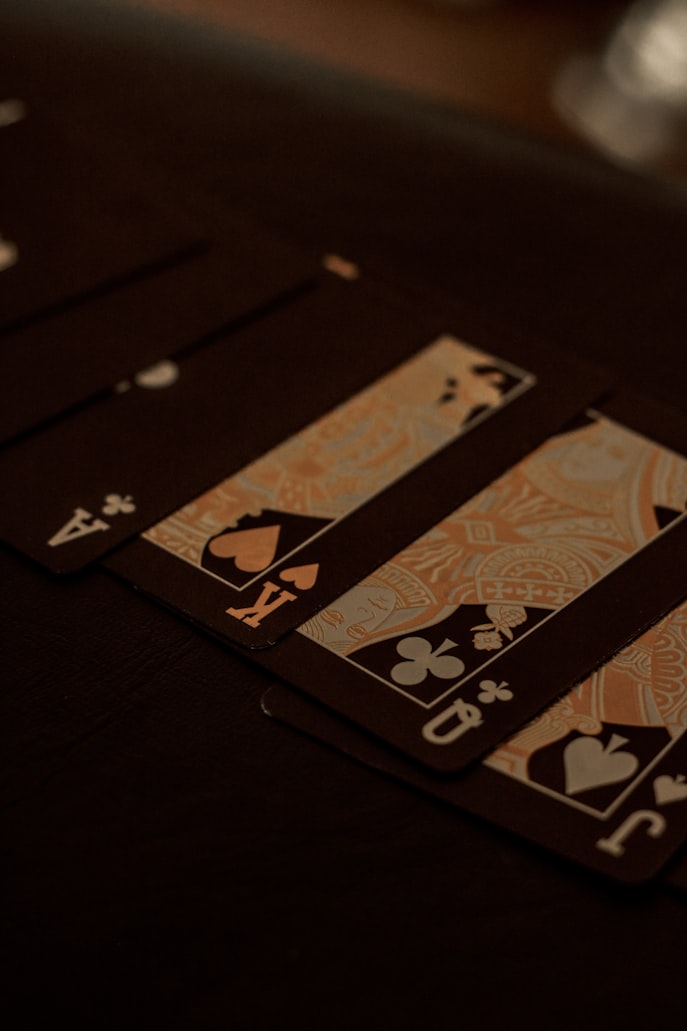
- Elevate Your Gameplay: Mastering Calculated Risks and Maximizing Wins with a strategic stake.
- Understanding the House Edge
- Strategic Blackjack Play
- Bankroll Management: Protecting Your Resources
- The Importance of Stop-Loss Orders
- Understanding Different Casino Games
- The Appeal of Poker and Skill-Based Gaming
- The Psychology of Gambling
- Recognizing and Addressing Problem Gambling
Elevate Your Gameplay: Mastering Calculated Risks and Maximizing Wins with a strategic stake.
The world of casinos, with its flashing lights and thrilling games, often hinges on a single principle: calculated risk. Understanding how to manage your resources, and specifically, your financial stake, is paramount to a positive and potentially rewarding experience. This isn’t simply about luck; it’s about strategy, discipline, and a thorough comprehension of the games you play and the probabilities involved. Successful casino goers aren’t necessarily those who win every time, but those who consistently make informed decisions, minimizing potential losses while maximizing opportunities for gain.
This guide delves into the intricacies of casino gameplay, focusing on how to approach each game with a strategic mindset. We’ll explore a range of topics, from understanding odds and house edges to effective bankroll management and recognizing when to walk away. By mastering these elements, you can transform your casino visits from purely chance encounters into opportunities for calculated risk and, hopefully, substantial rewards.
Understanding the House Edge
Every casino game is designed with a built-in advantage for the house, known as the house edge. This represents the average percentage of each bet that the casino expects to retain over the long term. Knowing the house edge of various games is critical because it dictates your long-term profitability—or, more realistically, your rate of loss. Games like blackjack, with skillful play, can have a relatively low house edge, while others, like slot machines, often have a significantly higher one.
| Game | House Edge (Approximate) |
|---|---|
| Blackjack (Optimal Strategy) | 0.5% – 1% |
| Roulette (American Wheel) | 5.26% |
| Baccarat (Banker Bet) | 1.06% |
| Slot Machines | 2% – 15% (Highly Variable) |
Strategic Blackjack Play
Blackjack is often favored by strategic players due to the possibility of reducing the house edge through basic strategy. Basic strategy involves making specific decisions based on your hand and the dealer’s upcard. Learning and consistently applying basic strategy significantly improves your odds. Beyond basic strategy, card counting, while not illegal in most jurisdictions, is often discouraged by casinos and requires significant skill and practice to implement effectively. Understanding the rules of splitting, doubling down and when to hit or stand is fundamentally important.
Despite the complexities, the core principle is maximizing the value of your decisions. The house edge, even with perfect basic strategy, cannot be eliminated entirely, but it can be minimized compared to other casino offerings. Utilizing resources like strategy charts can guide you effectively to make optimal moves at the table, thus increasing your chances of winning over the long run. This discipline, rather than fleeting hope, is the hallmark of a successful blackjack player.
Bankroll Management: Protecting Your Resources
Effective bankroll management is the cornerstone of responsible casino gaming. It involves establishing a budget for your casino visits and rigidly adhering to it. Determine how much you are willing to lose without impacting your financial well-being, and do not exceed this amount. Divide your bankroll into smaller units based on the stakes you intend to play and the games you’ve chosen.
- Set a Loss Limit: Before you start, decide how much you are prepared to lose. Once you reach this limit, stop playing, regardless of whether you feel you’re “due” for a win.
- Set a Win Goal: Similarly, define a target win amount. Reaching this goal is a signal to cash out and walk away, capitalizing on your success.
- Unit Sizing: Determine the appropriate size of each bet as a percentage of your total bankroll. A conservative approach is typically recommended, such as betting 1-5% of your bankroll per bet.
The Importance of Stop-Loss Orders
A stop-loss order is a pre-determined point at which you will cease playing, regardless of your emotional state or perceived chances of a turnaround. This prevents chasing losses, a common pitfall that can quickly deplete your bankroll. It’s crucial to view casino gambling as entertainment, and entertainment has a cost. Accepting the inherent risk of loss is part of this entertainment. Discipline with a pre-set stop-loss is paramount to enjoyment and financial preservation.
Many players fall into the “gambler’s fallacy”—the belief that past events influence future outcomes in games of chance. This is simply untrue. Each spin of the roulette wheel, each deal of a card, is independent of previous events. Relying on faulty logic can lead to poor decisions and significant losses. Instead, focus on making rational choices based on probability, bankroll management, and game-specific strategies.
Understanding Different Casino Games
The casino landscape is diverse, offering a wide array of games catering to various tastes. From the straightforward simplicity of slot machines to the strategic depth of poker, each game presents its unique challenges and opportunities. Understanding these differences is crucial for making informed decisions about where to allocate your funds and how to approach each game.
| Game | Skill Level Required | Volatility | Example Strategy |
|---|---|---|---|
| Slots | Low | High | Choose machines with favorable pay tables. |
| Poker (Texas Hold’em) | High | Medium | Study hand rankings, bluffing, and position. |
| Craps | Medium | Medium-High | Learn the basic bets and understand their probabilities. |
| Roulette | Low-Medium | Medium | Choose between inside and outside bets based on risk tolerance. |
The Appeal of Poker and Skill-Based Gaming
Unlike most casino games which predominantly rely on chance, poker emphasizes skill, strategy, and psychological insight. The ability to read opponents, calculate probabilities, and make informed decisions significantly impacts your success. While luck undoubtedly plays a role in the short term, consistent profitability in poker requires a high level of proficiency and disciplined gameplay. The experience is markedly different from simply placing a bet on a roulette wheel. It’s about strategic maneuvering and outsmarting your rivals.
Mastering poker is a long-term endeavor that demands dedication, study, and practice. Resources such as books, online tutorials, and coaching can accelerate your learning process. Furthermore, identifying your playing style, recognizing patterns in opponent’s behavior, and adapting to varying game dynamics are essential for elevating your game and consistently securing wins. The game provides a deep strategic level, far beyond what many other casino games offer.
The Psychology of Gambling
Gambling can be highly addictive, and understanding the psychological factors at play is crucial for responsible participation. The intermittent reinforcement schedule—where wins are unpredictable—is a powerful driver of compulsive behavior. This creates a loop where players continue to gamble in anticipation of the next win, even in the face of consistent losses. It’s vital to recognize the signs of problem gambling and seek help if needed.
- Recognize Cognitive Biases: Be aware of common biases, such as the gambler’s fallacy, confirmation bias, and the illusion of control.
- Set Time Limits: Limit the amount of time you spend gambling. Extended periods can impair judgment and increase impulsive behavior.
- Avoid Gambling When Stressed: Emotional distress can exacerbate gambling urges.
- Seek Support: If you’re struggling with gambling addiction, reach out to support groups or professional help.
Recognizing and Addressing Problem Gambling
Problem Gambling can have devastating consequences, impacting finances, relationships, and mental health. If you find yourself preoccupied with gambling, chasing losses, lying about your gambling activities, or experiencing negative consequences as a result, it’s essential to seek help. Numerous resources are available, including support groups like Gamblers Anonymous and professional counseling services. Seeking help is a sign of strength, not weakness, and can be the first step towards recovery.
Remember, casino gaming should be an enjoyable pastime, not a source of stress or financial hardship. Approaching each game with a strategic mindset, managing your bankroll effectively, and being mindful of the psychological factors involved can significantly enhance your experience and protect your well-being. Always gamble responsibly and within your limits, and never risk more than you can afford to lose.